
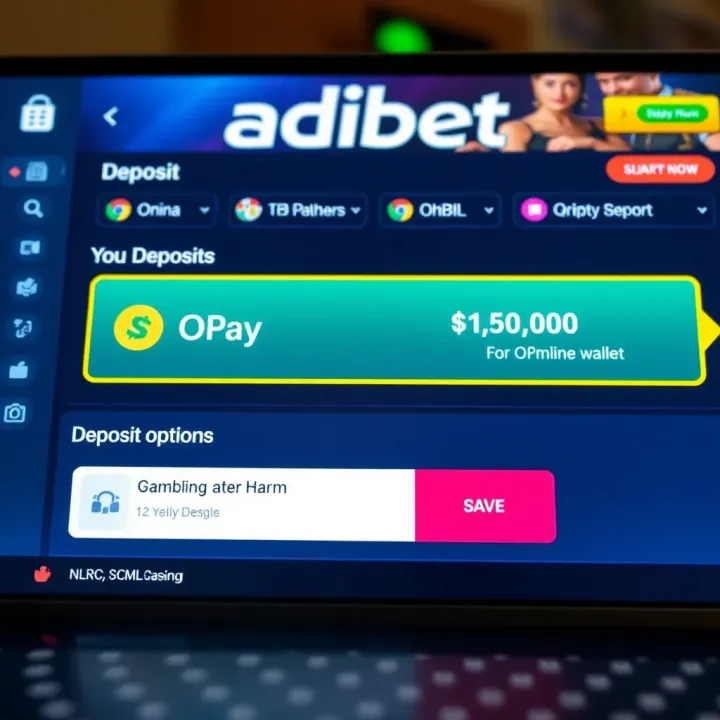
How to Deposit on Adibet Using OPay in Nigeria
🎲 Learn how to fund your Adibet account easily with OPay in Nigeria. Step-by-step guide to set up, link, deposit, and avoid common issues for safe betting. ₦ betting made simple!
Edited By
Thomas E. Carter
Paystack has become a go-to payment platform across Nigeria, powering everything from small online businesses to big merchants. Depositing funds into your Paystack account is the first step towards enjoying its services, whether you want to receive payments, send funds, or manage transactions quickly.
This section will walk you through why knowing how to top up your Paystack wallet matters, especially given the country's frequent power outages and network challenges that often delay payments. With Paystack, you can fund your account easily using familiar Nigerian channels like bank transfer, debit cards, or direct USSD codes.
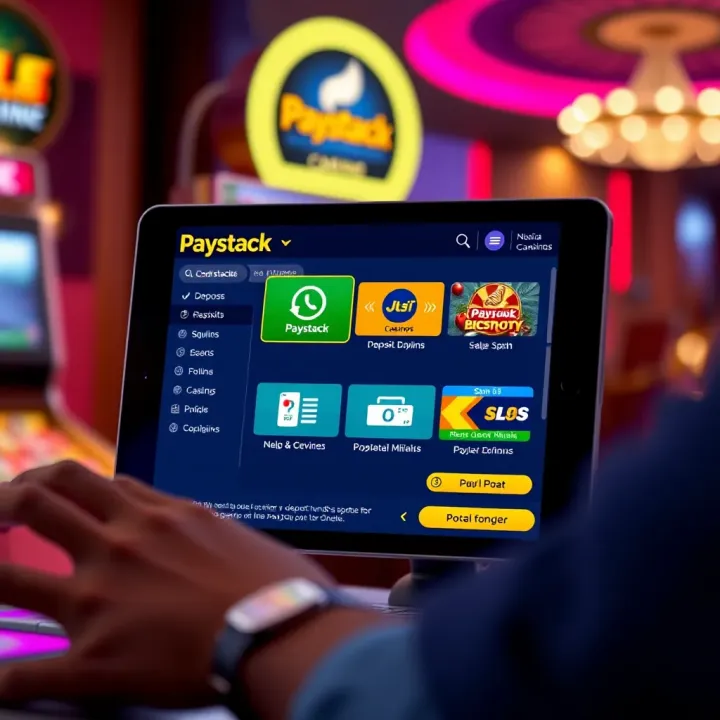
Most Nigerian users appreciate Paystack because it integrates smoothly with local banks such as GTBank, Access Bank, and Zenith Bank. This means you can deposit money without stressing about high charges or foreign exchange complications.
Depositing funds promptly ensures you don’t miss out on business opportunities, especially during busy periods such as the ember months when transaction volumes spike.
Here’s a quick look at what you can expect when funding your Paystack account:
Multiple deposit options, including card payments, bank transfers, and USSD
Clear step-by-step instructions for each method
Tips to avoid common delays and errors
Security measures that keep your funds safe
Understanding these methods will help you pick the most convenient way to deposit money based on your location, internet connectivity, and bank.
In the next sections, you’ll find hands-on guidance to make your deposits without headaches, so you can focus on growing your business or managing your funds efficiently.
Paystack has become a significant player in Nigeria’s digital payments scene, simplifying how businesses and individuals manage money online. Understanding its deposit features is crucial because this process enables users to fund their accounts quickly and safely, which is essential for smooth transactions.
Paystack is a Nigerian-founded payment platform that connects businesses to numerous payment methods, including cards, bank transfers, and mobile money. It handles online transactions for merchants, enabling them to accept payments smoothly. For example, an online retailer selling aso ebi material across Lagos can use Paystack to receive payments from customers via different channels without hassle. By bridging various Nigerian banking and mobile platforms, Paystack supports the country’s growing e-commerce and fintech ecosystem.
Users can open different Paystack accounts depending on their needs. Most individuals and small businesses go for merchant accounts, which allow them to receive payments and track sales. On the other hand, enterprise accounts offer extra features like custom payment solutions and higher transaction limits. There are also personal accounts mainly for individual users who want to make payments or transfers without running a business. Knowing your account type helps determine your deposit options and limits.
Depositing funds into a Paystack account empowers users to pay for services immediately without waiting for clearance from external sources. For instance, a merchant topping up their account can buy airtime or pay for adverts without delay. Deposits also support smooth refunds and reconciliation by providing a ready balance within the platform. Moreover, some Paystack features, like subscriptions or pay-as-you-go services, rely on upfront deposits to activate. Without this, users might face transaction delays or fail to access certain options.
For Nigerian users especially, who deal with network fluctuations and banking delays, having funds deposited within Paystack upfront offers a reliable way to keep business running without interruption.
Clear knowledge of Paystack and its deposit mechanisms gives users confidence and control, avoiding surprises in their financial activities. This section arms readers with the basics before moving to practical step-by-step deposit processes.
Knowing the different ways to deposit funds into your Paystack account opens practical options tailored to your convenience and needs. This section breaks down common deposit methods that Nigerian users can rely on. Whether you prefer traditional bank transfers or more modern mobile money services, understanding these methods ensures smooth, timely transactions conducive for your transactions, including paying for goods, services, or merchant operations.
Bank transfer remains one of the widely used methods to fund your Paystack account. Here, you can deposit directly from your Nigerian bank account to the Paystack wallet through your bank’s app or USSD code. For instance, if you bank with GTBank or Zenith Bank, simply log into your online banking or dial the USSD code, then transfer the amount to your Paystack account number. This method is popular because it allows for quick funding without physical visits to the bank.
If you prefer cash deposits, some Paystack users go to their bank's branch or an agent to deposit money into the Paystack-linked account. This is particularly useful in locations where digital banking is still growing. However, always confirm your Paystack deposit details carefully to avoid errors or delays.
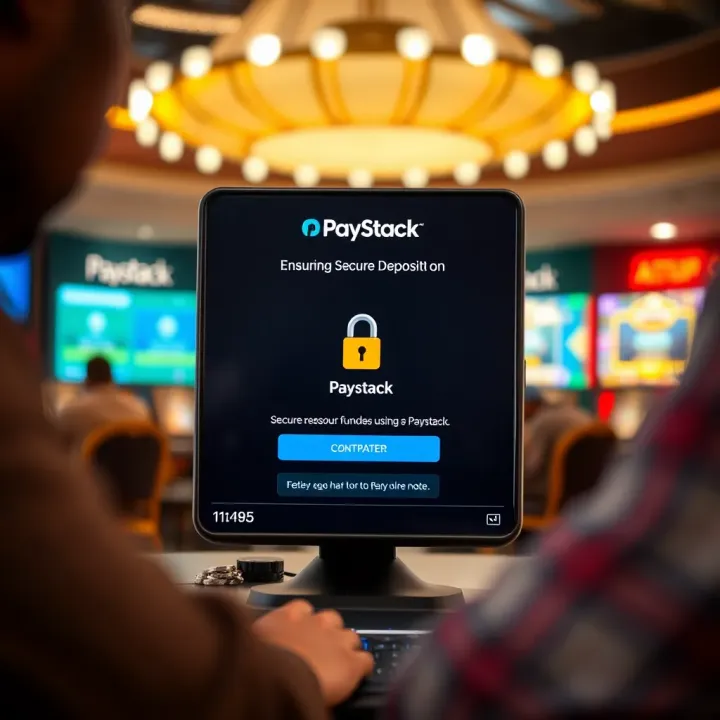
Paystack also accepts card payments, allowing instant top-ups using debit or credit cards such as Visa or Mastercard. This option is beneficial if you want to fund quickly during online trading, betting, or e-commerce transactions. Keep tabs on transaction fees and your card limit, as Nigerian banks sometimes restrict card transactions or levy charges for online payments.
Using cards saves the stress of moving money manually and comes with immediate confirmation of credit to your account. For example, you can fund your Paystack account using your First Bank debit card while checking out an online store or paying bills.
Mobile money services have gained traction in Nigeria, especially for users without easy access to banks. Platforms like OPay, Paga, or even MTN Mobile Money integrate with Paystack for quick deposits. You can transfer money from these mobile wallets to your Paystack account without having to visit a bank or use a card.
USSD codes for banks also provide quick deposit solutions. Dial codes like *737# for GTBank, followed by options to transfer funds, supports users who prefer offline methods or face poor internet connectivity. This approach suits users in towns with limited smartphone penetration but access to simple mobile phones.
Additionally, Paystack supports deposits from various third-party wallets and payment platforms. Services such as Flutterwave or Kuda Bank let you move funds into your Paystack wallet efficiently. These apps sometimes offer perks like reduced transaction fees or instant funding.
Using trusted third-party wallets can be practical when your primary bank or card is unavailable, or if you want to spread risk across multiple platforms. Ensure the service is legitimate and supported by Paystack to avoid delays or fraud.
Pick a deposit method that matches your everyday payment habits and levels of internet access. With these diverse options, Nigerian users of Paystack have the flexibility to manage their funds without unnecessary hustle.
Knowing how to deposit funds on Paystack is essential for merchants and users who want to keep their payment flows smooth. This section takes you through the exact steps so you can avoid unnecessary hold-ups and make deposits efficiently. Whether you’re topping up your account to pay suppliers or receive payments, understanding the process reduces errors and saves time.
Start by logging into your Paystack account through their official website or mobile app. Your dashboard is the control centre for all transactions, showing balances and options for deposits. If you have not registered, create a new account by providing valid information like your email, phone number, and BVN (Bank Verification Number) to comply with Nigerian financial regulations.
Access is straightforward: enter your login details, and you will land on the main dashboard. This screen displays your current account balance, recent transaction history, and menus for various functions including deposit. Keep your login credentials secure and avoid logging in from public networks to safeguard your account.
On your dashboard, find the section labelled 'Deposit' or 'Add Funds'. Paystack supports multiple deposit methods including bank transfers, debit/credit cards, mobile money, and USSD transactions. The choice depends on what’s most convenient for you. For example, if you prefer direct bank transfers, select that option and note the unique payment details provided.
Some users might favour card payments for speed, as these usually reflect immediately. Meanwhile, mobile money options are popular in areas where bank branches are sparse. Consider transaction fees that might apply for each method; bank transfers might be free while cards could attract small charges.
Once your deposit method is chosen, enter the amount you want to fund your Paystack wallet with. Double-check the amount and payment details before proceeding. For bank transfers, you will use the provided account number and reference code at your bank or digital banking platform. If using card payment, input your card details exactly as shown.
After initiating the transaction, you will usually receive an on-screen confirmation prompt. This confirms that Paystack has received your intent to deposit. Keep your phone nearby for any OTP (one-time password) sent by your bank or card issuer to authenticate the transaction.
Tracking your deposit is simple via the Paystack dashboard. Refresh your account balance a few minutes after payment to see if funds have reflected. In some cases, deposits via bank transfer may take a few hours during banking hours, unlike instant card payments.
If your funds do not appear after the expected time, check for transaction confirmation messages or receipts from your bank. Paystack's dashboard also lets you view the status of transactions — whether pending, successful, or failed. In case of failure, you will need to retry or contact Paystack support with your transaction reference number.
Always keep a record of your transaction reference no matter the deposit method. It’s a lifeline for fast resolution if anything goes wrong.
Following these steps closely ensures you fund your Paystack account smoothly, enabling you to focus on your business or personal payments with confidence.
Depositing funds into your Paystack account should be straightforward, but a few common challenges can slow down the process or cause confusion. Knowing how to identify and fix these issues saves you time and headache, especially if you’re handling business payments or urgent personal transfers. This section covers frequent problems Nigerian Paystack users face and practical ways to resolve them.
Sometimes, deposits may take longer than expected to reflect in your Paystack balance. This is often due to the way banks process transfers, especially during weekends, public holidays, or ember months when transactions increase sharply. For example, funds sent late on a Friday may only clear by Monday or Tuesday. To avoid frustration, always check the timestamp of your transfer and confirm if your bank has any holding periods. Also, Paystack notifications and dashboard updates help track clearance status. If you notice an unusual delay beyond two business days, contacting your bank and Paystack customer care could help pinpoint the problem.
Failed transactions commonly occur because of insufficient bank funds, incorrect card details, or network glitches. You might enter your card number wrongly or your bank could decline the payment due to daily transaction limits. Other times, your internet connection might break mid-process, causing the deposit not to go through. When this happens, Paystack usually gives an error message specifying the issue. Review the message carefully and try again after checking your bank balance or card status. If failures persist, using alternative payment methods like USSD or direct bank transfer could reduce recurring problems.
Submitting wrong deposit information, like an incorrect account number or mismatched name, can block your funds from landing in your Paystack wallet. Nigerian users sometimes transfer money to wrong recipients due to hurried inputs or auto-fill errors. Once you spot such a mistake, immediately notify Paystack support and provide transaction evidence such as bank receipts. Although recovering misplaced funds depends largely on the other party’s cooperation, prompt reporting increases chances of resolution. To minimise errors, double-check all details before confirming any deposit.
Paystack has a dedicated support system, including live chat, email, and FAQ resources, to assist users facing deposit challenges. For swift resolution, gather all relevant transaction details—reference codes, timestamps, amount, and payment channel—before reaching out. Nigerian users have reported that clear communication and patience during busy periods help expedite feedback. If your issue involves failed deposits or security concerns, raise tickets through their official channels rather than social media to ensure confidentiality and proper investigation.
Staying proactive by understanding these challenges empowers you to maintain smooth deposits and prevent unnecessary delays. Paystack aims to simplify digital payments in Nigeria, so using their support and following best practices makes the experience hassle-free.
Keeping your money safe while depositing funds on Paystack is not just advisable — it’s essential. Fraudsters often try to exploit gaps in user awareness, so understanding how to protect your account is key to safeguarding your finances. These security tips focus on recognising legitimate Paystack channels, avoiding scams, managing passwords securely, and using two-factor authentication.
Always ensure you are transacting through official Paystack platforms. Paystack operates primarily via its official website and verified mobile apps. Be wary of unsolicited emails, messages, or social media links claiming to be Paystack but directing you elsewhere. A telltale sign of a fake channel is requests for sensitive information like your full bank details or passwords through chats or unknown phone numbers.
A concrete example: If you receive a text message offering a quick way to top up your Paystack account but the sender address isn’t from an official Paystack domain, it’s safer to ignore it or verify first. Another practical move is to bookmark the official Paystack website and access it only through this saved link.
Scams targeting Paystack users often involve phishing links, fake customer support, or promises of fund doubling. Avoid clicking on suspicious links sent via SMS, WhatsApp, or emails. Fraudsters may also impersonate Paystack staff requesting your one-time password (OTP) or Bank Verification Number (BVN). Remember, Paystack or your bank will never ask for your password or CVV anytime after the initial setup.
For instance, a user reported receiving a message claiming her deposit failed and she needed to enter her OTP on a given link. She ignored it and later confirmed her account was fine. Such scams aim to capture login details and should be reported to Paystack immediately.
Create strong, unique passwords combining upper and lower case letters, numbers, and special characters. Avoid simple sequences like “123456” or common words like your name. Change your password regularly and do not reuse it across multiple platforms.
Do not share your password with anyone, even if they claim to be Paystack agents. Protect your device with a secure lock screen, especially if you access Paystack from a shared or public device, such as cafe computers or your office laptop.
Two-factor authentication adds a vital layer of security beyond passwords. When activated, it requires a second form of verification — usually a code sent to your phone or generated by an authentication app — before you access your account or complete a transaction.
Turning on 2FA makes it much harder for impostors to enter your account since they would need physical access to your device alongside your password. Most Nigerian fintech platforms, including Paystack, support 2FA and encourage users to enable it immediately after registration.
Always take security seriously when using platforms like Paystack, especially in Nigeria’s busy digital payment scene where scams happen severally. Safeguarding your deposits starts with vigilance and practical security habits.
By following these steps, you not only protect your money but also build confidence when using Paystack for diverse transactions, whether as a merchant or individual user.
🎲 Learn how to fund your Adibet account easily with OPay in Nigeria. Step-by-step guide to set up, link, deposit, and avoid common issues for safe betting. ₦ betting made simple!
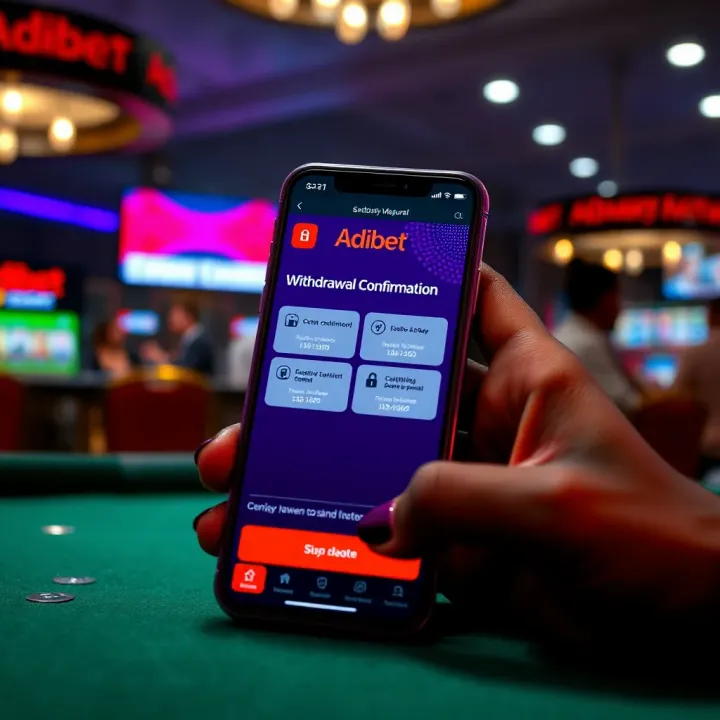
💰 Learn how to deposit and withdraw securely on Adibet with step-by-step guides, payment options, transaction limits, and handy tips for Nigerian users. 🇳🇬
Learn how to find and use your AdiBet deposit account number for safe, smooth betting deposits in Nigeria ⚽️💸 Avoid common issues and secure your transactions today!

Learn how to register, place bets, and manage your bankroll on Adibet 🎯. Get practical tips for winning and staying safe while betting online in Nigeria 🇳🇬.
Based on 11 reviews